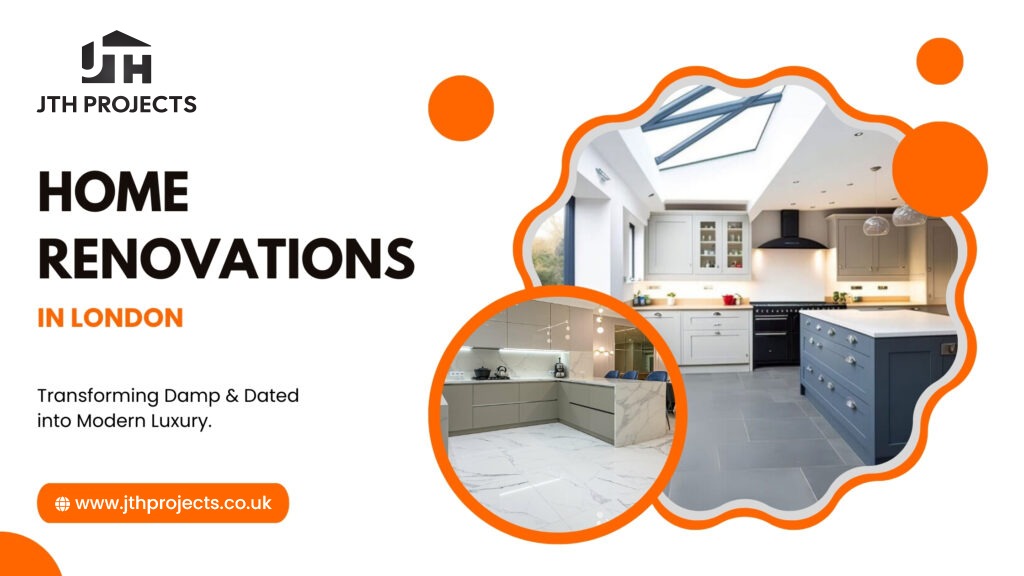
Have you ever walked into a stunning Victorian terrace in Richmond or a charming Edwardian flat in Central London, only to be greeted by that unmistakable musty smell? You know the one—it whispers of history, character, and… slightly worrying moisture levels. Living in London is a dream for many, but the reality of our housing stock often involves draughty windows, cramped layouts, and the perennial battle against the British weather.
If you are standing in your hallway right now, looking at a patch of peeling paint and wondering if it’s time to move or improve, you are not alone. With the capital’s property market remaining as competitive as ever, the trend is shifting definitively towards staying put. In fact, recent data suggests that the “don’t move, improve” philosophy is stronger than ever, with homeowners choosing to unlock the hidden potential in their existing properties rather than facing the stamp duty and upheaval of moving. Welcome to the world of Building Renovations in London, where we turn tired, damp structures into the kind of modern sanctuaries you see in glossy magazines.
Why Is the “Don’t Move, Improve” Trend Exploding in London?
It is a question on everyone’s lips: why go through the dust and disruption of a renovation? The answer lies in the numbers. According to a 2024 report by NatWest, median spending on home renovations has risen significantly, driven by a desire for energy efficiency and modern functionality. Londoners are realising that the cost of moving—often tens of thousands of pounds in fees alone—is money better spent on a loft conversion or a kitchen extension.
Beyond the finances, there is an emotional connection. We love our London boroughs. Whether you are in Richmond, Chelsea, or Barnet, you have built a life in your community. Renovation allows you to keep your postcode while upgrading your lifestyle. Imagine keeping your favourite local coffee shop and getting that open-plan kitchen-diner you have pinned on your vision board. It is the best of both worlds, but it requires navigating the unique quirks of London’s architecture.
Is Damp the Silent Killer of Your Home’s Potential?
Let’s talk about the elephant in the room—or rather, the mould in the corner. Did you know that condensation is now the most common cause of damp in UK homes, affecting around 1 in 5 households? For Londoners living in period properties, this statistic hits close to home. Those solid brick walls built in the 1890s were designed to breathe, but modern insulation and sealed windows often suffocate them, leading to trapped moisture.
Ignoring damp isn’t just bad for your health; it is a disaster for your renovation dreams. You cannot simply paint over the problem. A true transformation requires stripping back the layers to treat the root cause. This is where professional expertise becomes non-negotiable. At JTH Projects, we see damp not as a deal-breaker, but as a starting point. By addressing structural integrity and ventilation first, we ensure that your new luxury finishes aren’t just a facade but a long-lasting investment.
How Much Does a Luxury Renovation Actually Cost?
Budgeting is the part that keeps most homeowners awake at night. “How long is a piece of string?” is not the answer you want to hear. In 2025, the average cost for high-spec refurbishments in London and the South East is estimated to sit between £1,200 and £3,000 per square metre, depending on the finish. This might sound steep, but consider the return on investment. A well-executed loft conversion or kitchen extension can add significant value to your property, often exceeding the outlay.
- Standard Renovation: £1,200 – £1,600 per m² (Basic cosmetic updates, flooring, painting)
- Premium Renovation: £2,000 – £3,000+ per m² (Structural changes, high-end bespoke finishes, smart home integration)
Understanding these figures helps you plan with confidence. It is not just about spending money; it is about spending it wisely. Allocating budget to “invisible” luxuries like underfloor heating, soundproofing, and thermal insulation pays dividends in comfort every single day.
Can You Really Mix Victorian Charm with Modern Minimalism?
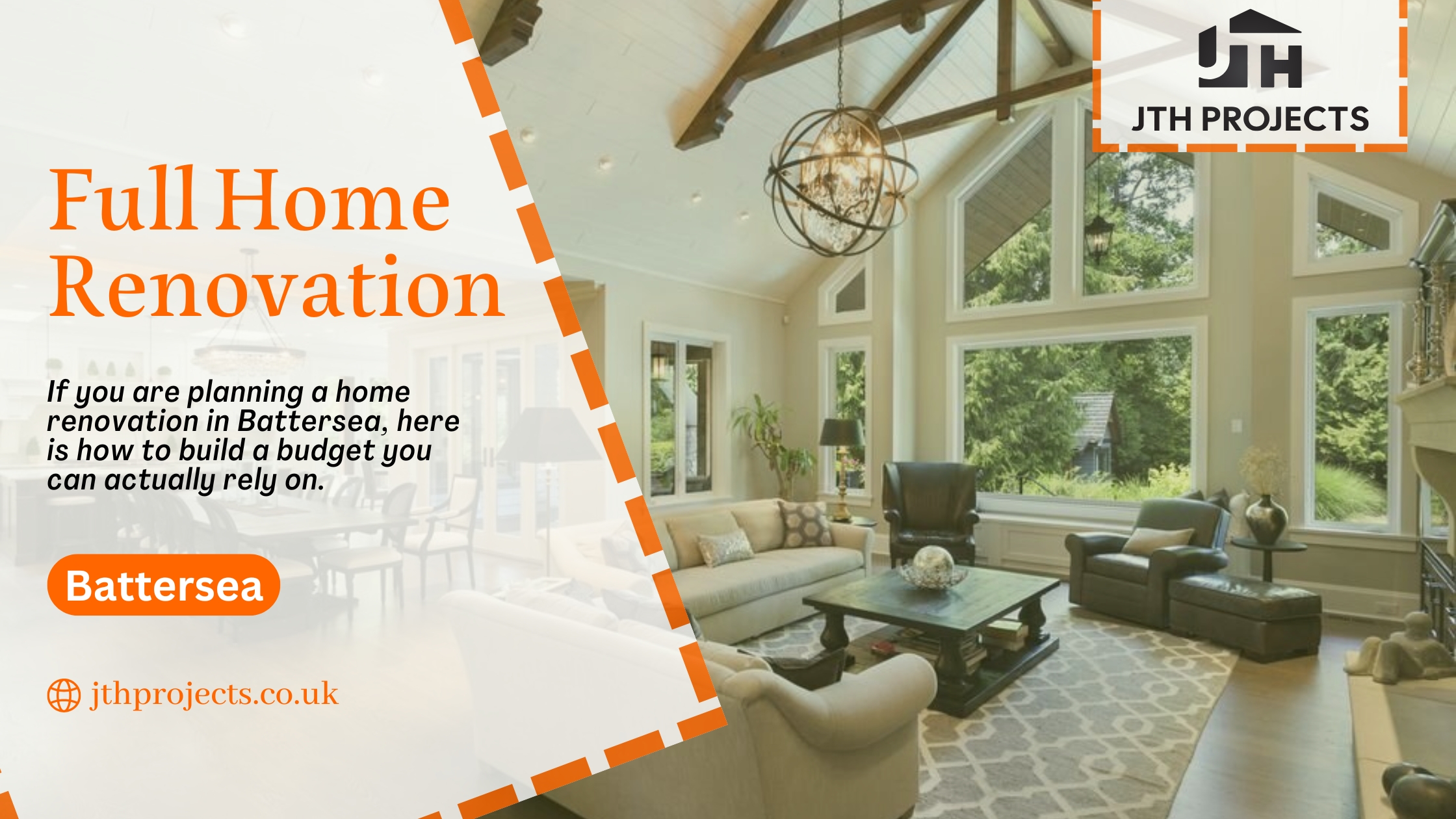
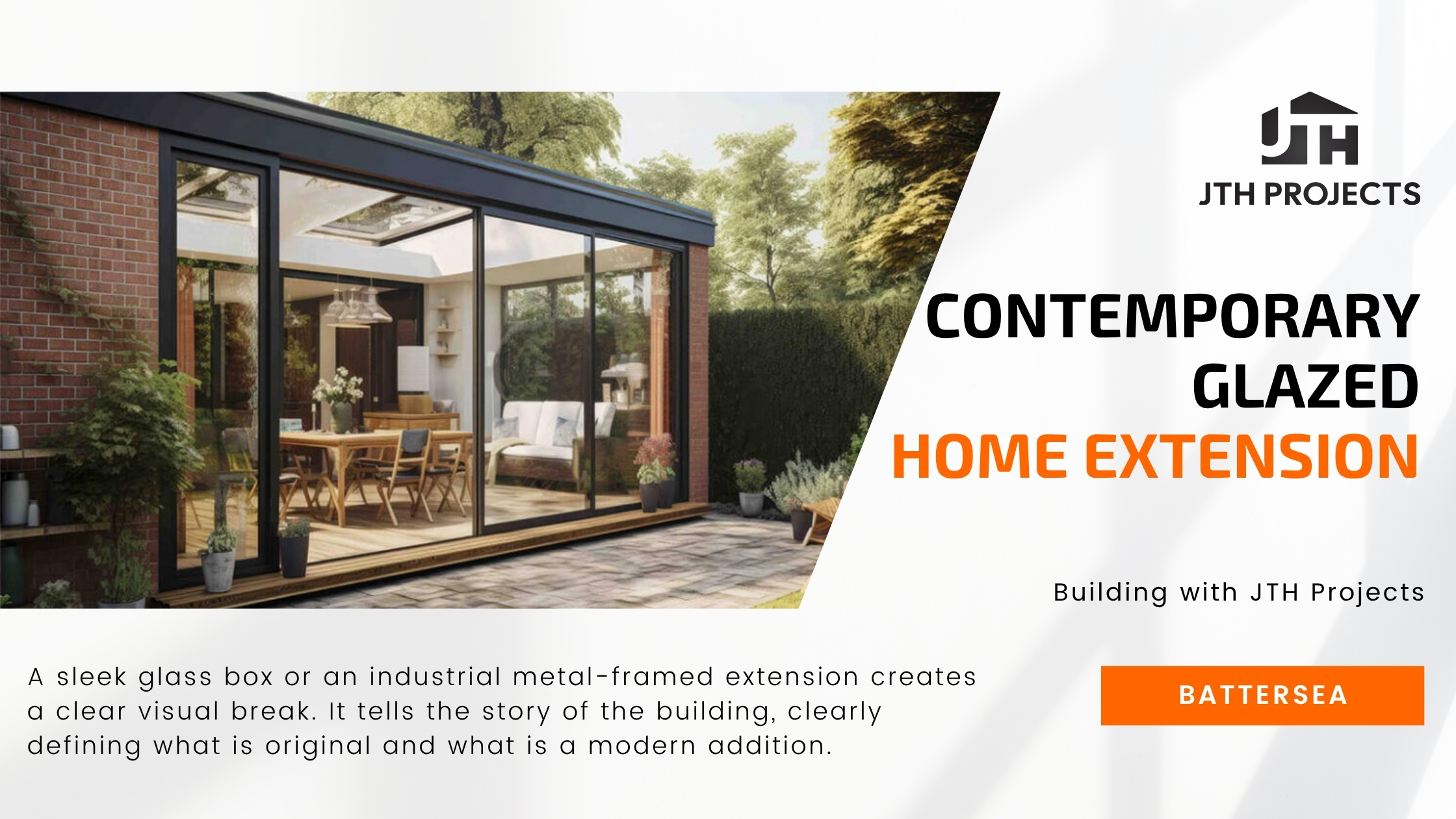
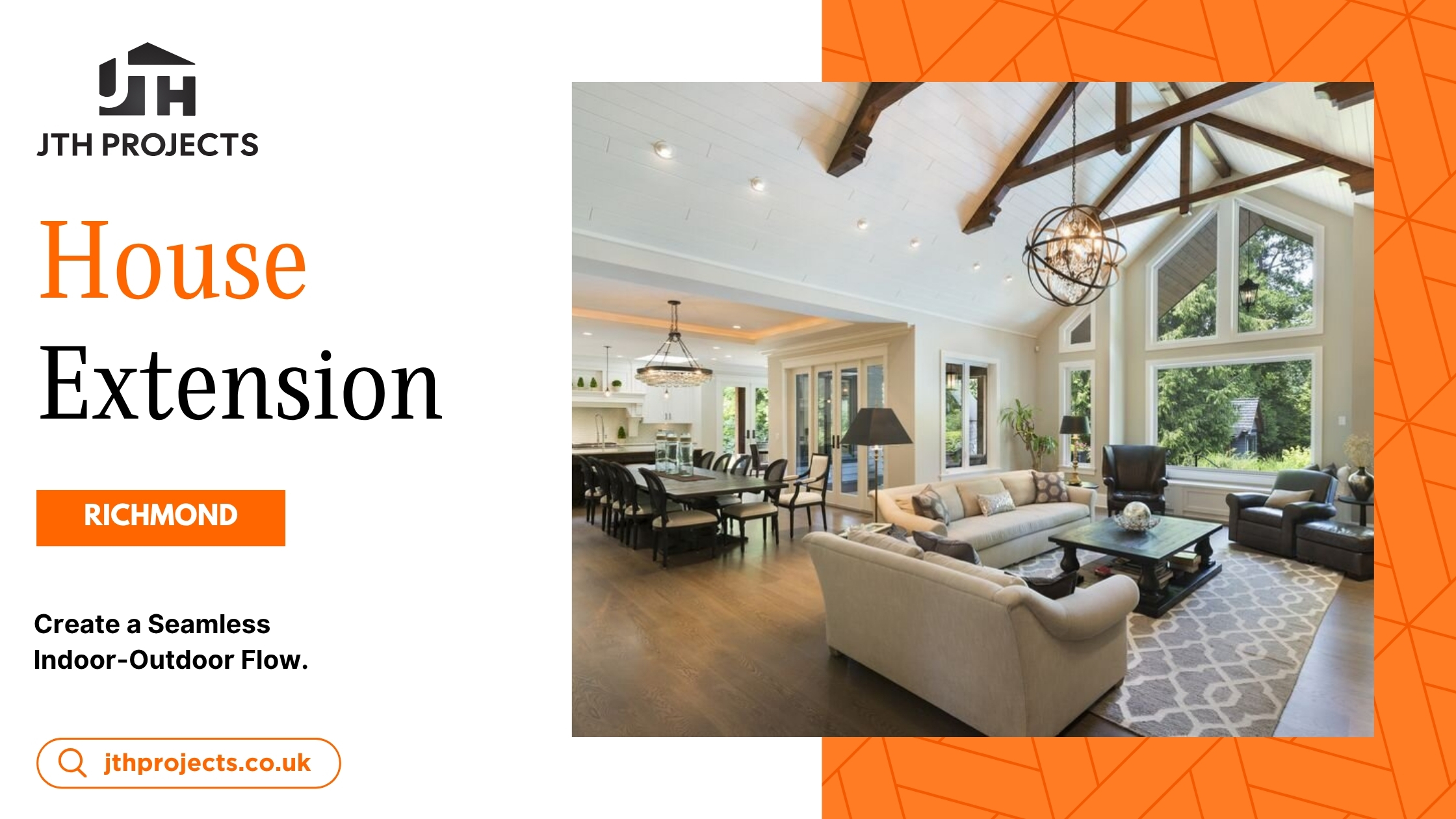
This is the fun part! The magic of Building Renovations in London lies in the juxtaposition of old and new. There is something profoundly stylish about a sleek, handleless kitchen sitting against an original exposed brick wall or a frameless glass extension flooding a traditional dining room with light. The goal is to respect the heritage of the building while ensuring it functions for 21st-century living.
We are seeing a massive surge in “biophilic design”—bringing the outdoors in. Think large sliding doors, skylights, and natural materials like stone and timber. This isn’t just aesthetic; it’s about well-being. London life is fast-paced. Your home should be your exhale. By opening up cramped Victorian layouts, we create flow and space that allows you to breathe easier. It is about transforming a series of small, dark rooms into a cohesive, light-filled home that adapts to your family’s needs.
Are You Ready to Build Your Vision with JTH Projects?
Renovation is a journey, and like any journey, it is better with an experienced guide. At JTH Projects, we don’t just build; we partner with you. We understand the anxiety of ripping out a bathroom and the thrill of seeing the final tile laid. Our team specialises in everything from full home renovations to bespoke extensions, handling the nitty-gritty of planning permission, plumbing, and plastering so you don’t have to.
We believe that transparency is key. You shouldn’t have to guess if your project is on track. We pride ourselves on clear communication, honest timelines, and a finish that screams quality. Whether you are looking to banish damp from your basement or add a stunning loft bedroom, we are here to turn that “damp and dated” property into the modern luxury home you deserve. Don’t let your dream home remain a dream—let’s start building it today.
Frequently Asked Questions
1. Do I need planning permission for a renovation in London?
Not always. Many internal renovations and some rear extensions fall under “Permitted Development Rights.” However, if you live in a Conservation Area, a listed building, or are planning significant structural changes (like a large extension or loft conversion), you will likely need planning permission. It is always best to consult with a professional to avoid legal headaches later.
2. How long does a full house renovation typically take?
The timeline depends heavily on the scope. A single room refurbishment might take 2-4 weeks, while a full house renovation, including structural work and extensions, can take anywhere from 4 to 9 months. We provide a detailed schedule before we start, so you can plan your life accordingly.
3. Can you fix damp issues permanently during a renovation?
Yes, but it requires the right approach. We identify the type of damp (rising, penetrating, or condensation) and apply specific treatments, such as chemical damp proof courses, tanking (for basements), or improving ventilation systems. Covering it up is never the solution; treating the source is.
4. What is the most value-adding renovation I can do?
Loft conversions and kitchen extensions generally offer the best return on investment in London. Adding an extra bedroom and bathroom via a loft conversion can increase property value by up to 20%, while a modern, open-plan kitchen is a huge selling point for future buyers.
5. How do I budget for unexpected costs?
Renovations on older London properties often uncover surprises like old wiring or rotten joists. We recommend setting aside a contingency fund of 10-15% of your total budget. This ensures that if we find something unexpected once we peel back the layers, your project can continue without financial stress.